License plates have a long and fascinating history that dates back to the late 19th century. The first license plates were issued in France in 1893, where they were used to identify the owners of motor vehicles. In the United States, the first license plates were issued in 1901 by the state of Continue Reading
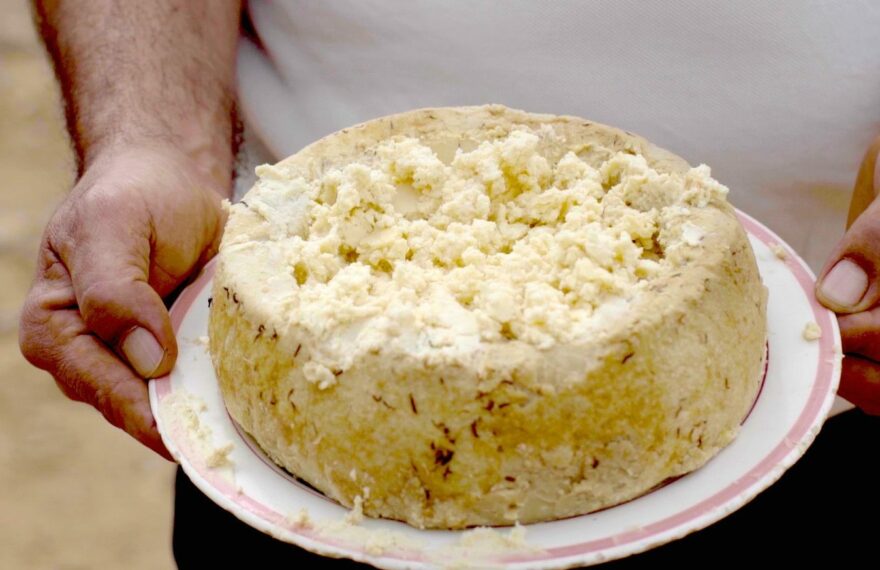
Do you like your cheese with a little extra protein? Look no further than casu marzu, the Sardinian delicacy that’s infested with live insect larvae! Yes, you read that right. This cheese is intentionally left to ferment until cheese flies lay their eggs inside. When the eggs hatch, the larvae eat through the cheese, making […]Continue Reading
Hormonal imbalance is a common issue that affects many females, particularly during puberty, menstruation, pregnancy, and menopause. Hormonal imbalances can lead to a variety of symptoms, including irregular periods, acne, weight gain, mood swings, fatigue, and more. While modern medicine offers various treatments for hormonal imbalances, many people are turning to Continue Reading
Nutrition labeling is an important aspect of healthy eating, as it allows consumers to make informed decisions about the food they eat. When shopping for groceries, it’s essential to turn the package and check the nutrition label before purchasing any food product. Here are some reasons why you should always turn the package for nutrition […]Continue Reading
Infanticide, the act of killing newborns, is not limited to humans. In fact, infanticide is quite common in the animal kingdom, and some animals even eat their own offspring. Although this behavior may seem shocking to us, it actually has evolutionary advantages in some situations. Let’s take a look at some animals that engage in […]Continue Reading
Table scraps can be bad for your dog’s health, depending on what you’re feeding them. While some human foods can be beneficial for dogs, others can cause health problems. For example, fatty scraps such as bacon, sausage, and cheese can lead to pancreatitis in dogs, a condition that can be painful and potentially life-threatening. Other […]Continue Reading
In 1962, a small village in Tanganyika (now Tanzania) experienced a strange phenomenon that came to be known as the Tanganyika Laughter Epidemic. It began in January of that year, when three girls from a mission-run boarding school in the village of Kashasha started laughing uncontrollably. The laughter was so intense that it caused them […]Continue Reading
Imagine this – you’re on a plane, minding your own business, when suddenly the door opens and you get sucked out. You’re hurtling towards the ground at breakneck speed, and you realize – you forgot your parachute. Oops. So what do you do? Well, first of all, you scream. That’s just common sense. But then […]Continue Reading
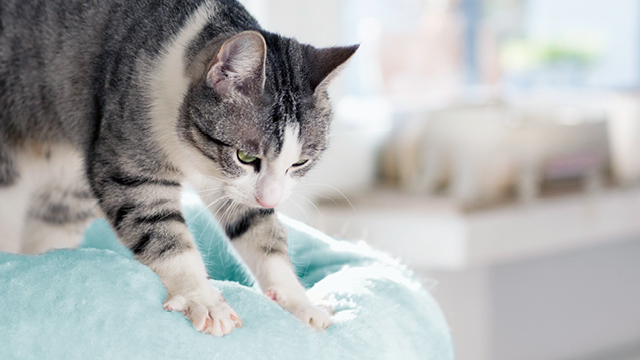
Cats knead for a variety of reasons, and it’s a behavior that is often associated with contentment and relaxation. Kneading is when a cat pushes in and out with their front paws, alternating between left and right. Here are a few reasons why cats knead: Instinctual behavior: Kneading is a behavior that is instinctual for […]Continue Reading
A science communicator is someone who translates complex scientific concepts and ideas into accessible and understandable language for a general audience. Science communicators use a variety of mediums such as writing, speaking, and multimedia to convey scientific information to the public. The main goal of science communication is to bridge the gap between scientific Continue Reading