
Burbn’s Epic Glow-Up: From Clunky Check-Ins to Instagram Fame
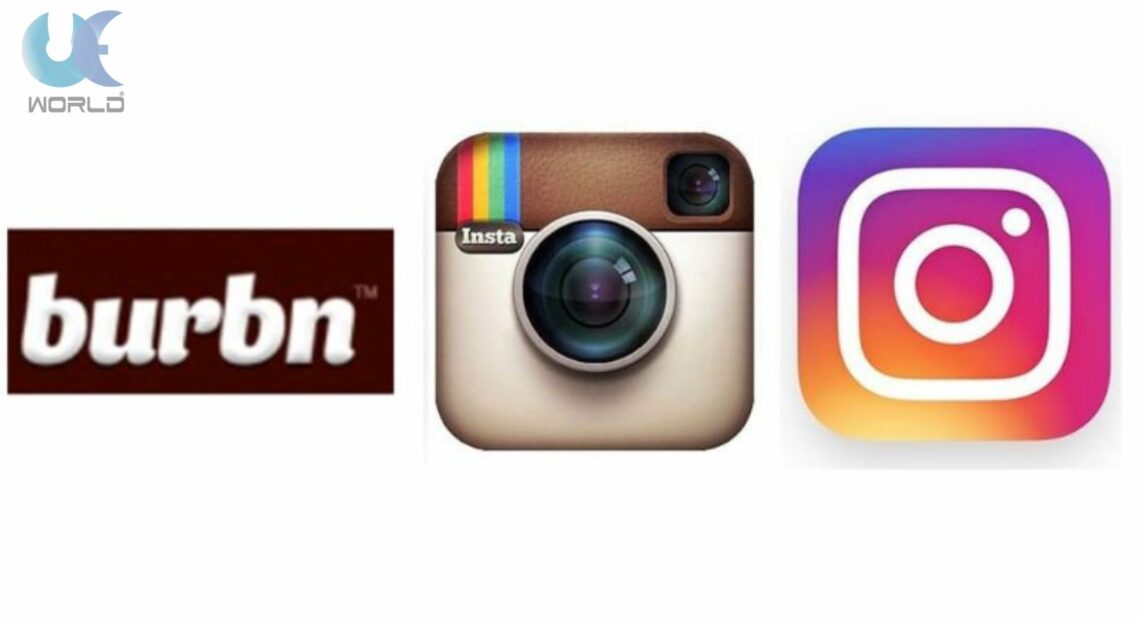
In the world of tech startups, tales of pivots and transformations are as common as they are fascinating. One of the most intriguing of these stories involves a little-known app called Burbn. If you’ve never heard of it, don’t worry—Burbn’s obscurity is what makes its story so compelling, especially when you realize it’s the precursor to one of the most influential social media platforms of all time: Instagram.
The Genesis of Burbn
Burbn was born out of a desire to blend location-based services with social networking. Its creators, Kevin Systrom and Mike Krieger, envisioned a mobile app that would allow users to check in at various locations, share plans for future meetups, and post pictures of their activities. The name “Burbn” itself was inspired by Systrom’s love for fine bourbon whiskey, hinting at the app’s original concept of combining social interaction with the enjoyment of life’s finer moments.
The All-in-One Approach
When Burbn launched, it was a Swiss Army knife of an app, crammed with features. Users could check in to locations, earn points for hanging out with friends, post pictures, and make plans. It was a robust app, but therein lay the problem: it was too robust. The sheer number of features made it complex and unwieldy, and users found it difficult to navigate. In the crowded app market, simplicity often trumps complexity.
The Pivotal Moment
Recognizing the app’s shortcomings, Systrom and Krieger took a step back and analyzed user behavior. They noticed that, despite the multitude of features, users were primarily engaging with one aspect: photo sharing. This insight was pivotal. Rather than stubbornly sticking to their original vision, they boldly decided to strip Burbn down to its essence. They removed nearly all of its features, leaving only the ability to upload, edit, and share photos.
The Birth of Instagram
With this new focus, Burbn was rebranded and relaunched as Instagram in October 2010. The name, a portmanteau of “instant camera” and “telegram,” reflected the app’s emphasis on speedy, visually-driven communication. The simplicity and elegance of Instagram struck a chord with users. Within a week, it had amassed over 100,000 downloads, and by the end of 2011, it boasted more than 10 million users.
A Billion-Dollar Pivot
Instagram’s meteoric rise didn’t go unnoticed. In April 2012, just 18 months after its launch, Facebook acquired Instagram for a staggering $1 billion. What started as a multifaceted, bourbon-themed social app had transformed into a cultural phenomenon, reshaping how people share their lives and view the world.
Lessons from Burbn
The story of Burbn is more than just a footnote in Instagram’s history; it’s a powerful lesson in the importance of adaptability and user-centric design. It underscores the value of focusing on what users want and need, even if it means letting go of your original vision. Burbn’s evolution into Instagram is a testament to the power of simplicity and the importance of being willing to pivot when necessary.
The Legacy Continues
Today, Instagram is a cornerstone of digital culture, influencing everything from fashion and food to politics and social movements. Yet, its roots in Burbn remind us that great innovations often come from humble beginnings and that the willingness to evolve is key to enduring success.
So, next time you scroll through your Instagram feed, take a moment to appreciate the journey from Burbn to the global powerhouse it is today. It’s a story that embodies the spirit of innovation, resilience, and the ever-changing landscape of technology.
Pic Courtesy: google/ images are subject to copyright