
EU Ban on Destroying Unsold Luxury Goods Exposes Industry Challenges
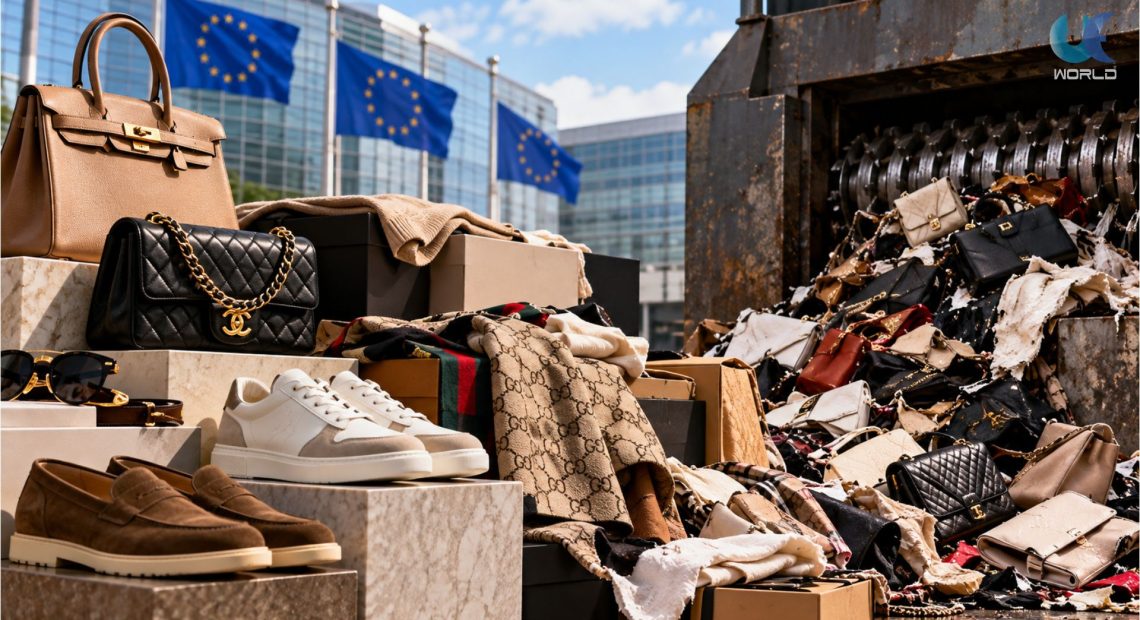
Luxury fashion brands are facing growing pressure over their handling of unsold inventory as the European Union introduces stricter sustainability regulations. High-end labels, including Gucci, Burberry and Brunello Cucinelli, have seen products offered at significant discounts on online platforms such as Yoox, highlighting weakening demand in the luxury market. Traditionally, some luxury companies have preferred destroying unsold merchandise rather than discounting it to preserve brand exclusivity. However, new EU regulations prohibit the destruction of certain unsold apparel and footwear, while requiring companies to disclose details of discarded products from March 2027.
The issue has attracted renewed attention following a Hong Kong court case involving former Chanel warehouse employees who stole merchandise intended for destruction. Court proceedings revealed that thousands of luxury products had previously been shredded, although Chanel stated that its current practices have evolved towards reuse and recycling. According to the European Environment Agency, between 264,000 and 594,000 tonnes of textiles were destroyed before use annually in Europe in 2020, generating substantial carbon emissions. Major luxury groups, including Kering, Prada and LVMH, have announced commitments to reduce or eliminate the destruction of unsold goods in line with sustainability goals.
Despite the EU’s efforts, environmental advocates warn that exemptions could weaken the legislation. Leather goods, certain limited-edition products and garments with non-removable trademarks are excluded, while other provisions allow destruction under specific circumstances. Critics argue that these loopholes could enable luxury brands to continue disposing of unwanted stock. Nevertheless, experts believe mandatory public reporting could have a greater impact than the ban itself, exposing inventory management practices and increasing pressure on fashion houses to adopt more sustainable production, resale and recycling strategies.
Pic Courtesy: google/ images are subject to copyright