
States Can Levy Additional Taxes on Mineral Rights, Supreme Court Rules
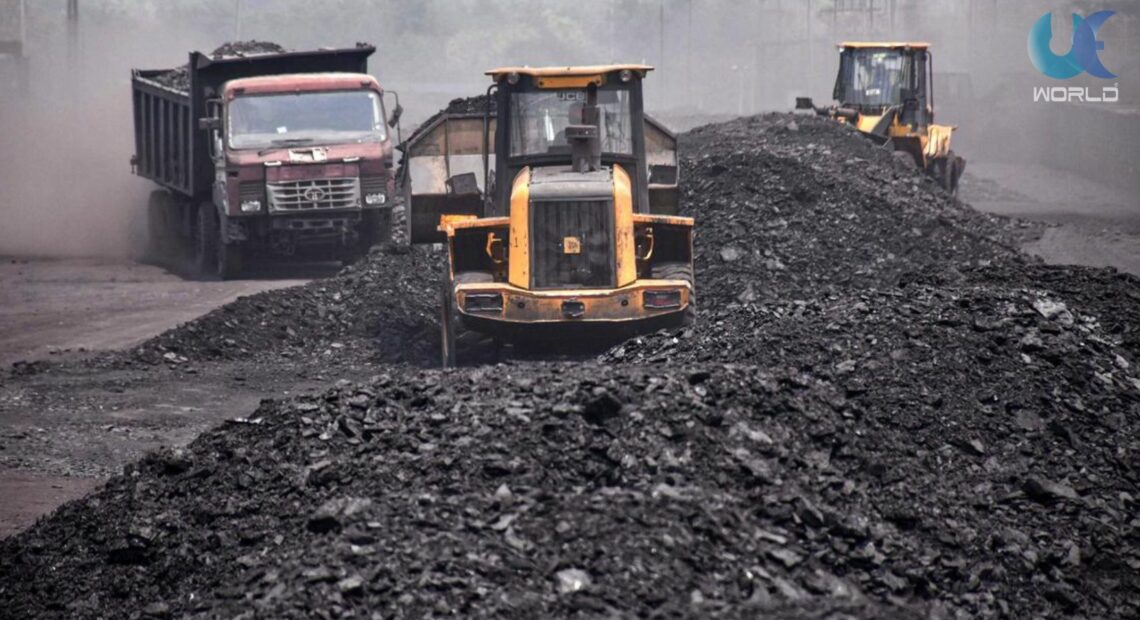
In a landmark decision, a nine-judge bench of the Supreme Court of India ruled on Thursday that states have the legislative competence to levy taxes on minerals and mineral-bearing lands, in addition to the royalty imposed by the central government. The bench, led by Chief Justice Dhananjaya Y. Chandrachud, concluded by an 8-1 majority that royalty charged on mining operations is not a tax but a contractual payment to the Centre, thereby affirming states’ rights to impose extra levies and surcharges on mineral rights.
The court’s ruling clarifies that while states are empowered to impose additional taxes, the central government retains the authority to set limitations through parliamentary laws. However, since the Mines and Minerals (Development and Regulation) Act, 1957 (MMDRA) does not currently restrict such state actions, the states’ authority remains intact. The majority opinion was supported by Justices Hrishikesh Roy, Abhay S. Oka, JB Pardiwala, Manoj Misra, Ujjal Bhuyan, Satish Chandra Sharma, and Augustine George Masih.
Justice BV Nagarathna dissented, arguing that granting states the power to impose additional levies could disrupt the federal structure and potentially lead to detrimental competition among states, impacting mineral prices and development. The bench will reconvene on July 31 to discuss whether the judgment should be applied retrospectively or prospectively, which could benefit states like West Bengal, Odisha, and Jharkhand with existing local laws for additional levies.
Pic Courtesy: google/ images are subject to copyright