
EU Levies on Chinese E-Commerce Imports Could Generate €6 Billion Annually for Bloc Budget
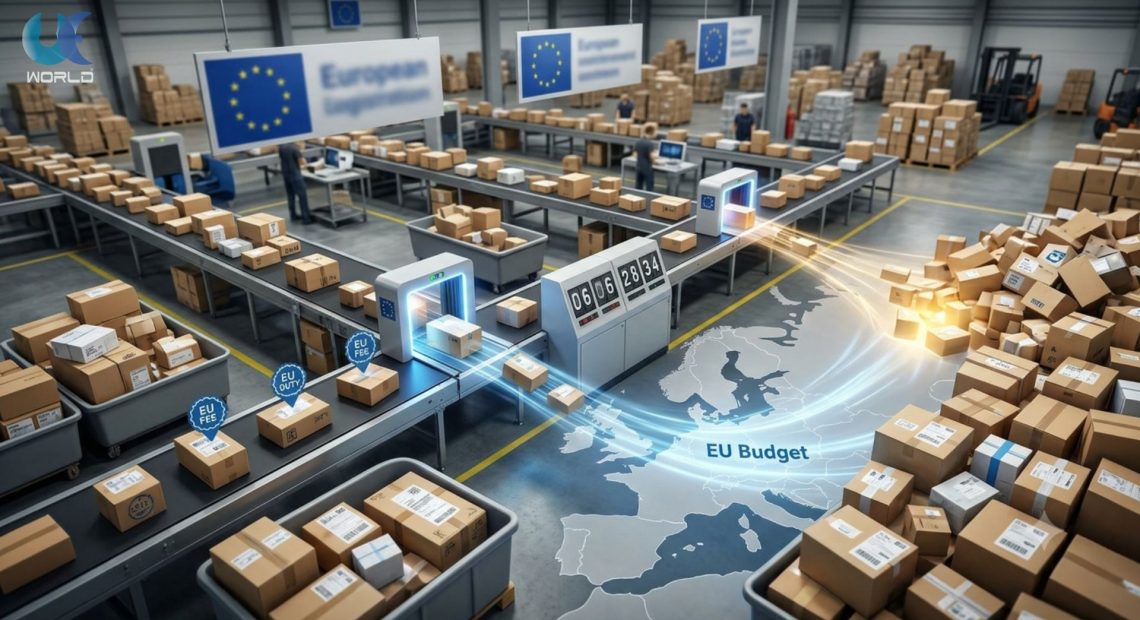
European Union charges targeting cheap e-commerce shipments entering the bloc—primarily from Chinese platforms such as Shein and Temu—could generate approximately €6 billion ($6.69 billion) annually for the EU budget between 2028 and 2034. The internal European Commission estimate highlights the scale of Brussels’ effort to curb an unprecedented influx of low-value imports, following a 26% surge last year that saw 5.8 billion parcels under €150 enter the single market—the majority of which were routinely undervalued to bypass customs duties. To counter this, the EU is adding a €2 handling charge on November 1 to existing €3 levies, with lawmaker Dirk Gotink noting the revenue will give customs authorities the resources required to reform “a highly toxic business model” and reverse decades of underinvestment.
The escalating fees are already squeezing high-volume Chinese platforms, forcing major adjustments to preserve market share across Europe. Shein, which draws roughly a third of its revenue from Europe, has recorded falling regional sales alongside price hikes and cutbacks in advertising spending while expanding warehouse capacity in Poland. Meanwhile, Temu has begun offering select shoppers direct discounts on the added fees to cushion consumer sticker shock on ultra-low-cost items, and Alibaba’s AliExpress is expanding its local European warehousing while warning that the levies risk worsening the cost-of-living crisis for low-income households. Conversely, US rival Amazon expects minimal operational impact, noting that 97% of products sold to EU customers are fulfilled directly from warehouses inside the bloc.
As multi-year negotiations for the EU’s 2028–2034 budget framework continue, the ultimate allocation of these newly generated funds remains a key focus for member states. Under current proposals, the European Commission projects that 90% of collected import revenues will flow directly into central EU coffers, leaving 10% for national authorities, though member states—who currently retain 25% of standard customs fees—are expected to push for a larger share. The European Commission declined to officially comment on the leaked revenue estimates.
Pic Courtesy: google/ images are subject to copyright